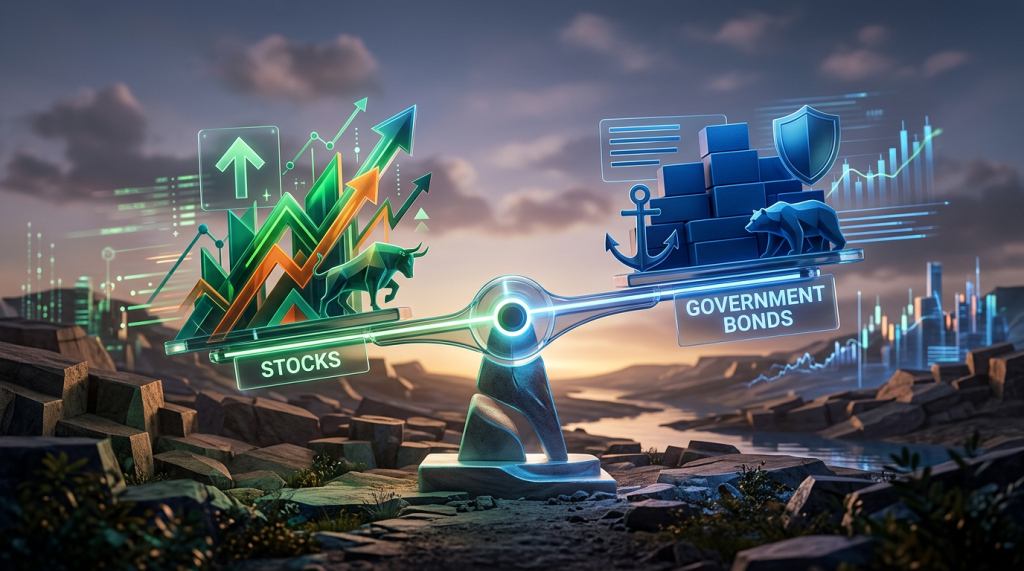
Stocks faced pressure as Treasury bonds weakened and long term yields climbed, pushing markets into a new danger zone. Investors reacted cautiously after Federal Reserve minutes revealed broad support for a possible rate increase next year. Rising borrowing costs and uncertainty around the Iran conflict continue to influence sentiment. Reports surrounding Iran’s uranium policy and Israeli security concerns lifted oil prices and hurt bonds, slowing momentum in technology shares.
Semiconductor enthusiasm briefly continued after strong earnings from $NVDA, but gains faded as geopolitical tensions returned. Memory companies including $MU also faced pressure after Samsung workers canceled a planned strike, easing fears about supply disruptions. Despite this, traders continued buying many technology names on both positive and negative headlines, showing strong speculative behavior.
The United States also announced major investments in quantum computing firms, helping optimism across advanced technology sectors, including companies linked to $IBM. Retail giant $WMT reported mixed earnings, with softer guidance reflecting pressure on consumers from higher fuel costs. Meanwhile, housing data remained resilient despite elevated interest rates, while bond weakness around $TLT signaled continued concerns about inflation and future monetary policy. Investors now await developments in energy markets, central bank policy, and corporate earnings throughout next week

 Responsible Investor